
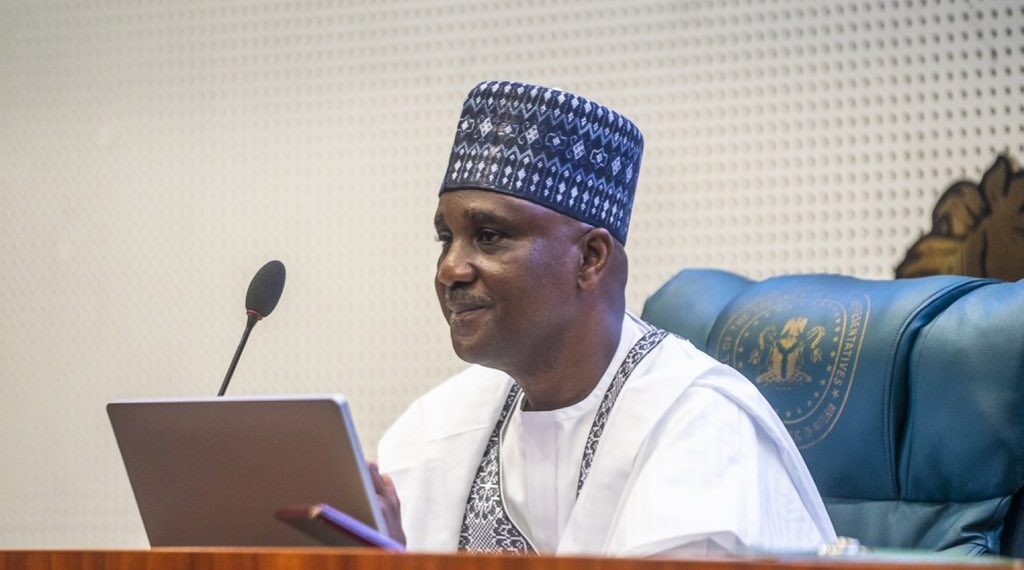
Speaker of the House of Representatives, Rt. Hon. Tajudeen Abbas, has raised alarm over Nigeria’s growing youth underemployment crisis, revealing that an estimated 55% of the nation’s youth are underemployed due to a shortage of technical and practical skills required in today’s dynamic labour market.
Speaking on Wednesday in Abuja at a public hearing organized by the House Committee on Polytechnic and Higher Technical Education, the Speaker stressed the urgent need to strengthen technical and vocational education across the country. Abbas, who was represented by Hon. Auwal Gwadabe (PDP, Bauchi), emphasized that theoretical knowledge alone can no longer guarantee employment or economic inclusion in the modern economy.
> “Available statistics indicate that about 55 per cent of our youth are either unemployed or underemployed due to a shortage of practical and technical skills demanded by today’s labour market,” Abbas said.
He highlighted the importance of equipping Nigerian youth with hands-on training and up-to-date technical education to keep pace with global developments in Artificial Intelligence, Robotics, Machine Learning, and Big Data.
> “We must, therefore, equip our youth with practical skills that will enable them to thrive in an ever-evolving, technologically driven job market,” he added.
The Speaker reaffirmed the 10th National Assembly’s commitment to making technical and vocational education more accessible and impactful through its legislative agenda.
Chairman of the House Committee on Polytechnic and Higher Technical Education, Hon. Kayode Laguda, described the legislative initiatives under review as crucial steps toward promoting entrepreneurship, job creation, and skills development in local communities.
“The bills aim to empower Nigerians to become employable, create jobs, and succeed in their constituencies and beyond,” Laguda said.
One of the key proposals discussed was a bill sponsored by Hon. Solomon Wombo for the establishment of the Federal College of Entrepreneurship and Skills Acquisition in Zaki Biam, Benue State. Wombo explained that the institution would serve as a critical tool in addressing youth unemployment and building a productive, innovation-driven workforce.
> “This initiative is about more than just education — it’s about creating a pipeline for self-reliance, social transformation, and economic growth,” he said. “By integrating entrepreneurship with technology, we can engage youth more effectively in local economic activities, reduce unemployment, and enhance value addition in the national economy.”
Wombo also highlighted the potential of the college to address deep-rooted grievances of neglect in the region, while boosting the micro, small, and medium enterprise (MSME) sector, which he described as the “backbone of Nigeria’s economy.”
The bill proposes a curriculum rooted in hands-on training, entrepreneurship incubation, and vocational empowerment—key components aimed at reducing dependency on white-collar jobs and encouraging innovation and self-sufficiency among Nigeria’s young population.
As the country continues to grapple with high youth unemployment and underemployment, the public hearing reinforced the urgent need for legislative solutions that prioritize skill acquisition, entrepreneurship, and inclusive economic development.
