
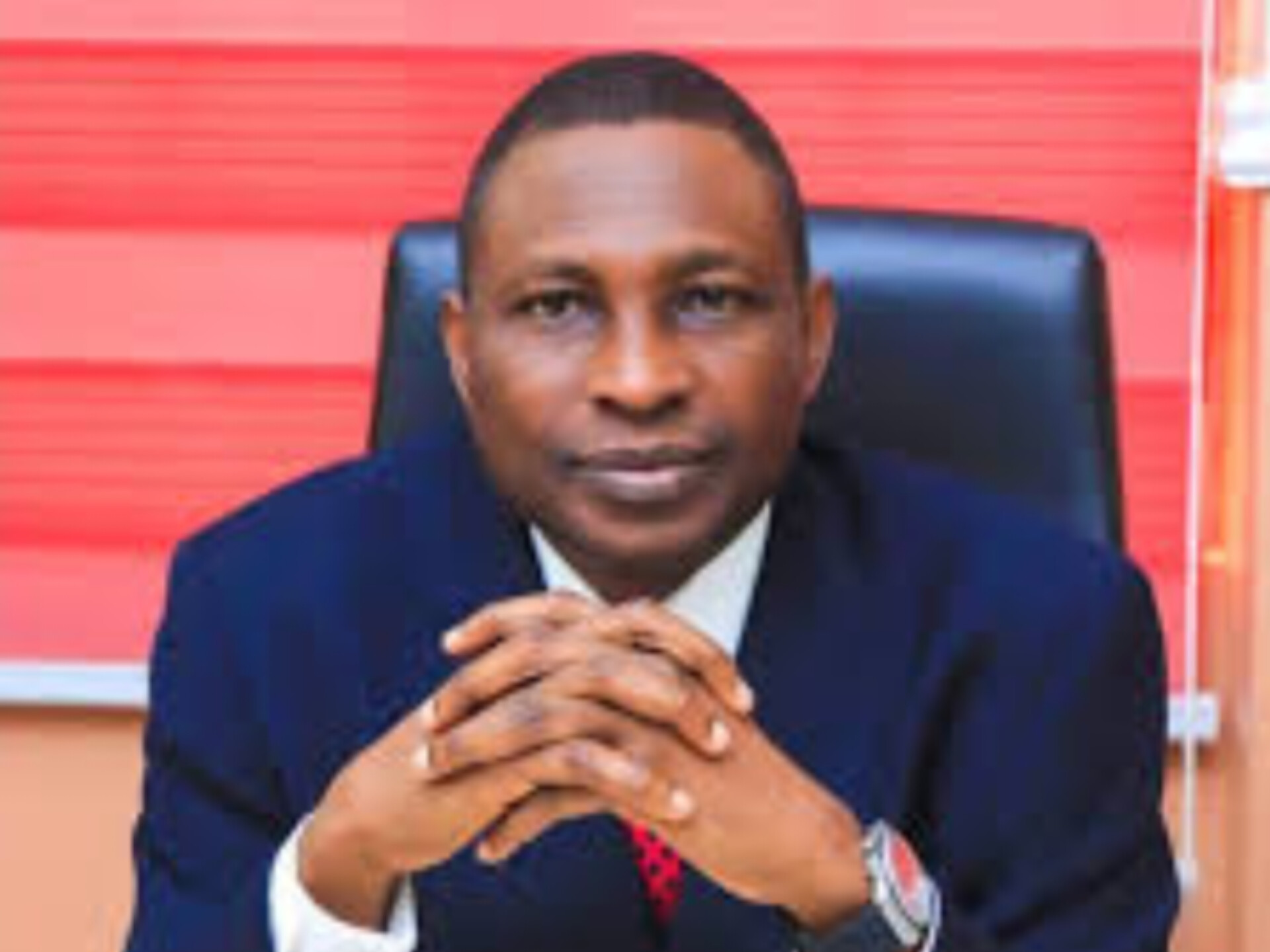
The Chairman of the Economic and Financial Crimes Commission (EFCC), Ola Olukoyede, has raised serious concerns over the persistent lack of transparency in Nigeria’s financial reporting system, particularly within the oil and gas sector.
He warned that this opacity continues to hinder economic growth and erode public trust in governance.
Speaking at the National Conference on Public Accounts and Fiscal Governance in Abuja, organized by the Senate and House of Representatives Public Accounts Committees, Olukoyede—who was represented by the EFCC’s Director of Public Affairs, Wilson Uwujaren—said undisclosed earnings, fraudulent transactions, and poor financial oversight in key sectors have entrenched inefficiency and corruption in public finance.
He noted that financial reporting in the oil and gas industry remains speculative rather than fact-based, describing it as one of the most troubling weaknesses in Nigeria’s economic framework.
Olukoyede pointed to a wide range of fiscal malpractices plaguing the system, including non-compliance with financial regulations, approvals of spending beyond authorized limits, diversion of public funds into private accounts, and the inflation of budgets to accommodate projects that offer no real developmental benefit to citizens.
He also cited the digital manipulation of critical government platforms such as the Government Integrated Financial Management Information System (GIFMIS) and the Integrated Payroll and Personnel Information System (IPPIS), which have been exploited for payroll fraud in several Ministries, Departments, and Agencies (MDAs).
Despite various reform efforts and development blueprints introduced over the years, Olukoyede lamented that there remains a significant gap between policy goals and public outcomes.
He stressed the need for Nigeria to shift from merely drafting reforms on paper to ensuring real institutional enforcement.
In a major policy shift, the EFCC Chairman announced that the Commission is now placing increased emphasis on preventing financial crimes, not just investigating them.
Over the past 18 months, the EFCC has taken strategic steps to strengthen internal controls across the public sector. Among these efforts is the establishment of a new Fraud Risk Assessment and Control Department, specifically created to detect and block fiscal loopholes in MDAs.
He added that the EFCC has also enhanced its cooperation with both local and international law enforcement partners to curb illicit financial flows out of the country.
Olukoyede highlighted some of the EFCC’s recent accomplishments, including the recovery of trillions of naira in looted funds.
He described the seizure of 750 duplexes in Abuja as the largest real estate recovery in Nigeria’s history. He also stated that recovered funds have been channeled into key national programs such as the Nigerian Education Loan Fund and the Consumer Credit Scheme.
Furthermore, the EFCC is working closely with the Federal Ministry of Housing to convert confiscated properties into affordable housing units for low-income Nigerians.
Despite these achievements, Olukoyede maintained that much work remains to be done. He called for the institutionalization of real-time digital tracking of government budgets and projects, greater public access to expenditure data, and a more robust whistleblower protection system.
According to him, Nigeria must close existing loopholes in procurement and payroll systems through advanced automation and meaningful citizen engagement.
Emphasizing the importance of ethical leadership, he proposed integrity testing for all public officials across government institutions. Olukoyede also issued a pointed challenge to the National Assembly, urging lawmakers to lead by example in promoting accountability.
He revealed that, to date, the EFCC has not received any oversight reports from the Public Accounts Committees of either the Senate or the House of Representatives for investigation.
“Parliament cannot demand accountability if it doesn’t practice it,” he said. “Fiscal integrity must be the norm in all organs of government. Legislators must embrace transparent appropriation and resist any actions that erode public trust.”
He underscored the need for stronger synergy between the Public Accounts Committees and the EFCC, stressing that leveraging the Commission’s enforcement authority would demonstrate that legislative oversight is neither routine nor toothless.
Olukoyede concluded with a patriotic appeal: “Let’s institutionalize transparency and make accountability a patriotic duty by enforcing the rules and regulations in our statutes. Together, we can make Nigeria a nation where fiscal governance delivers real value for real people.”
