
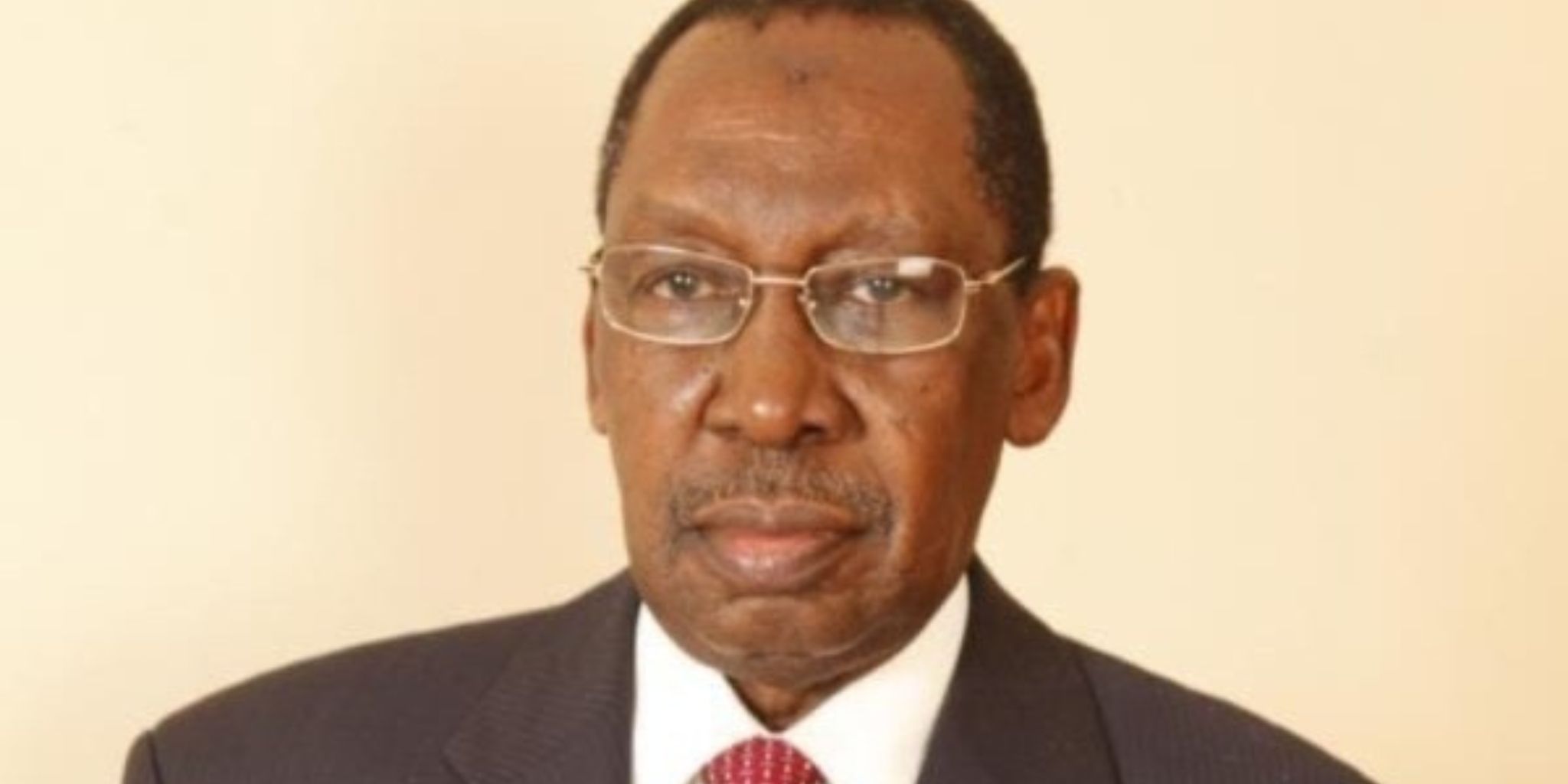
Nigeria mourns the loss of one of its most distinguished legal luminaries, former Chief Justice of Nigeria, Justice Mohammed Lawal Uwais, who passed away in the early hours of Friday in Abuja at the age of 88.
His death, confirmed by family sources and the Attorney General of Ondo State, Dr. Kayode Ajulo, marks the end of an illustrious career that profoundly shaped Nigeria’s judiciary and democratic landscape.
Born on June 12, 1936, in Zaria, Kaduna State, Justice Uwais rose through the ranks of Nigeria’s legal system to become a towering figure in the judiciary.
His career began after being called to the Bar at the Middle Temple, London, in 1963.
He served as a State Counsel in Northern Nigeria, later becoming Solicitor-General and Permanent Secretary of the North-Central State by 1971.
Appointed a Justice of the Supreme Court in 1979 at the age of 43, he earned the nickname “baby of the court” due to his relative youth.
In 1995, he was elevated to Chief Justice of Nigeria, a position he held until his retirement in 2006, making him one of the longest-serving CJNs in the nation’s history.
During his tenure as Chief Justice, Justice Uwais was widely respected for his unwavering commitment to judicial independence and reform.
He championed significant changes as Chairman of the National Judicial Council (NJC), strengthening the judiciary’s integrity and professionalism.
His leadership was pivotal during a challenging period in Nigeria’s history, notably swearing in the elected president on May 29, 1999, marking the dawn of the current democratic dispensation.
Post-retirement, Justice Uwais continued to serve the nation as chairman of the Electoral Reform Committee, appointed by the late President Umaru Musa Yar’Adua in 2007.
The committee’s seminal “Uwais Report” recommended transformative changes to Nigeria’s electoral system, including the establishment of an independent electoral offences commission and reforms to the appointment process of the Independent National Electoral Commission (INEC) chairman.
These recommendations continue to influence Nigeria’s electoral policies.
Tributes have poured in from across the nation, reflecting the profound impact of his legacy.
President Bola Tinubu described Justice Uwais as a “phenomenal jurist and statesman who served Nigeria with honour, courage, and exceptional integrity,” noting his role as a stabilizing force in the judiciary.
Former President Muhammadu Buhari praised his “unwavering sense of justice,” while Peter Obi, the 2023 Labour Party presidential candidate, highlighted the Uwais Report’s contribution to deepening Nigeria’s democracy.
The Supreme Court of Nigeria, in a statement, expressed its condolences, honoring his “tireless dedication to the rule of law.”
The Speaker of the House of Representatives, Tajudeen Abbas, and the Northern States Governors’ Forum, led by Gombe State Governor Muhammadu Inuwa Yahaya, also mourned his passing, describing him as an elder statesman whose guidance extended beyond the judiciary.
Dr. Kayode Ajulo, who appeared before Uwais during his first Supreme Court case, recalled his commanding presence and dedication to fairness.
Justice Uwais is survived by his wife, Mrs. Maryam Uwais, a lawyer and former Special Adviser on Social Investment to President Buhari, as well as his children and grandchildren.
His family announced that funeral prayers will be held immediately after Juma’at prayers on Friday at the National Mosque in Abuja.
As Nigeria bids farewell to this legal giant, his contributions to judicial reform, electoral integrity, and the rule of law will remain etched in the nation’s history.
Funeral arrangements are ongoing, with tributes expected to continue from legal, political, and civil society leaders in the coming days.
