
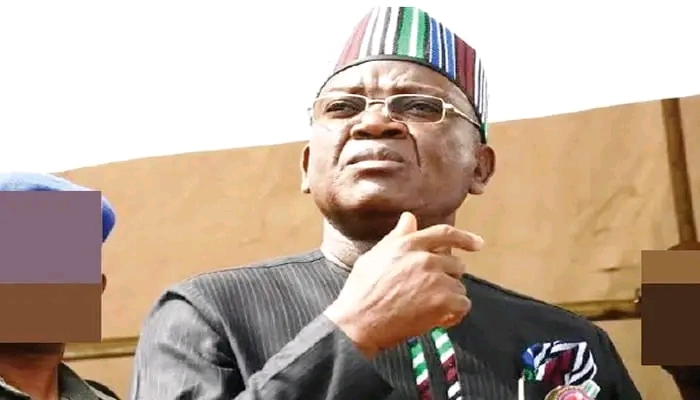
A renewed exchange of words has erupted between the camps of former Benue State governor, Samuel Ortom, and his successor, Hyacinth Alia, following fresh controversies surrounding the state’s debt profile and alleged inconsistencies in official financial disclosures.
The disagreement was sparked by comments from the Managing Director of the Benue Investment and Property Company (BIPC), Dr. Raymond Asemakaha, who revealed that the Alia administration currently spends about ₦7.4 billion monthly on debt servicing — totaling ₦21.4 billion in the first quarter of 2025.
According to Asemakaha, the state’s domestic debt stands at ₦122.5 billion, while its external obligations amount to $26.4 million. He likened Benue’s fiscal condition to “an aircraft flying through turbulence,” noting that the debt service ratio had climbed to 413 per cent.
Despite the heavy debt burden, Asemakaha defended Governor Alia’s economic strategy, explaining that the administration is working to expand internally generated revenue and attract private sector investment through infrastructure development and economic reforms.
However, Ortom’s media aide, Terver Akase, swiftly countered the claims, accusing the Alia administration of distorting financial facts and exaggerating the debt figures to mislead the public.
Akase challenged the BIPC chief’s statistics, questioning how Benue could reportedly spend ₦7.4 billion monthly on debt repayment when the total quarterly figure presented by the government amounted to ₦21.4 billion instead of ₦22.2 billion.
He also described the claimed debt service ratio of 413 per cent as “implausible and unverifiable,” demanding that the Alia government publish a detailed and transparent breakdown of the state’s debt profile — including repayment timelines, interest rates, creditors, and actual revenue receipts from the Federation Account.
“If the Alia government insists Benue spends ₦7.4 billion monthly on debt servicing, then it must also disclose how much the state receives in FAAC allocations each month,” Akase stated.
He further called for a comprehensive update on funds expected during the transition period in 2023, such as subsidy refunds, stamp duty arrears, and SURE-P recoveries.
The renewed confrontation marks yet another chapter in the ongoing feud between the Ortom and Alia camps over Benue’s fiscal health. While the current administration continues to attribute the state’s financial woes to previous governments, Ortom’s allies accuse Alia of using debt narratives to justify poor transparency and governance lapses.
