
World leaders and diplomats reacted with a mix of shock, concern, and calls for restraint on Sunday after the United States launched airstrikes on three nuclear facilities in Iran — a dramatic move that has brought Washington directly into Israel’s ongoing conflict and raised fears of a wider war across the Middle East.
The strikes, which targeted what U.S. officials described as components of Iran’s nuclear infrastructure, have sparked international alarm, with allies and adversaries alike urging restraint and warning of potential catastrophic consequences.
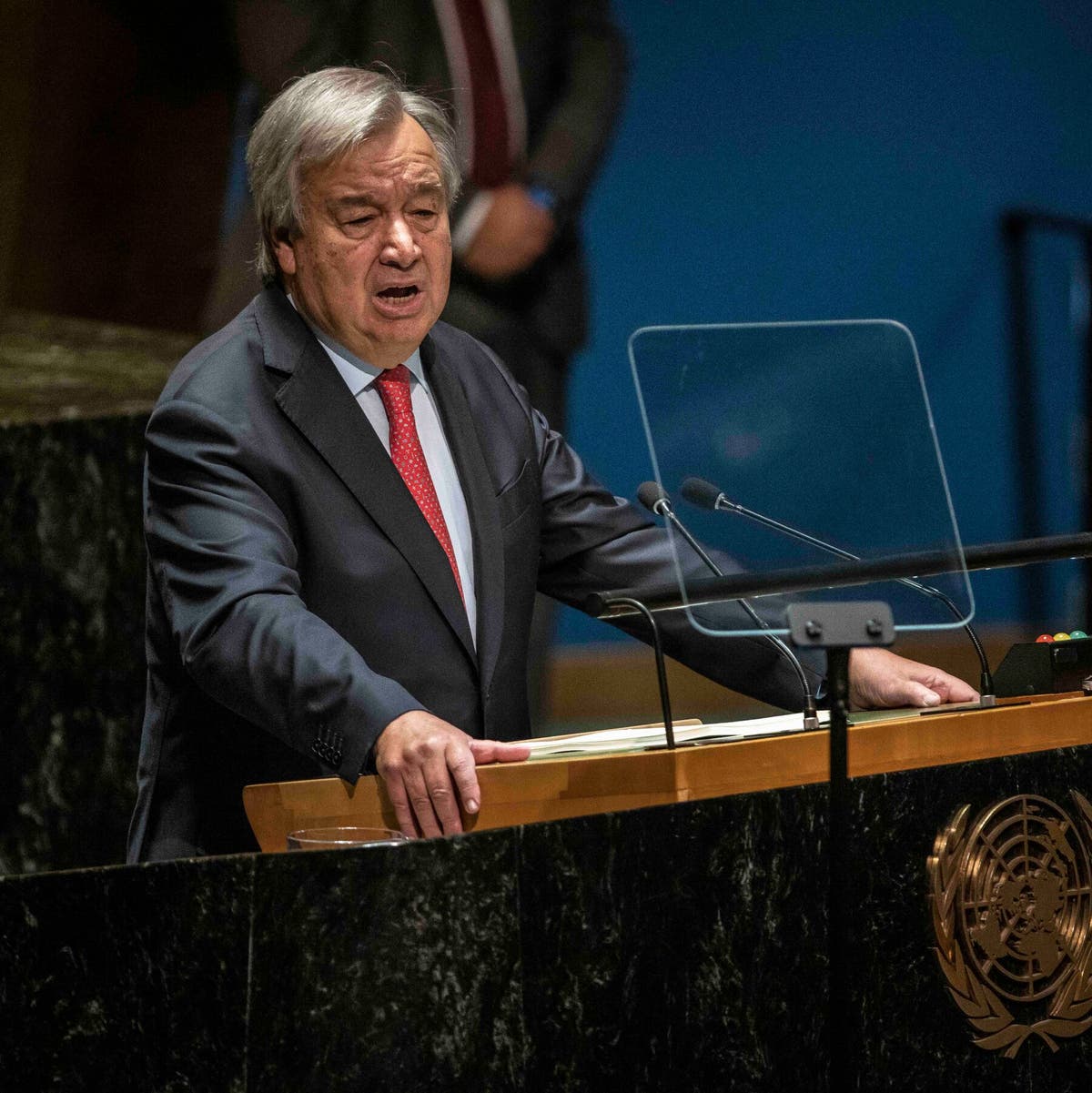
United Nations Secretary-General António Guterres voiced grave concern, describing the U.S. action as a “dangerous escalation in a region already on the edge” and a “direct threat to international peace and security.”
In a message posted on social media, Guterres cautioned that the situation risks spiraling out of control with potentially devastating consequences for civilians and the global community.
British Prime Minister Keir Starmer offered a measured endorsement of the U.S. action, stressing that “Iran can never be allowed to develop a nuclear weapon.”
He called on Tehran to “return to the negotiating table and reach a diplomatic solution to end this crisis.”
Australia, while echoing concerns over Iran’s nuclear ambitions, appealed for restraint. “We have been clear that Iran’s nuclear and ballistic missile program has been a threat to international peace and security,” the government said in a statement, emphasizing the need for diplomacy and de-escalation.
New Zealand’s Foreign Minister Winston Peters also weighed in, describing the continued military action as “extremely worrying.”
He urged all parties to avoid further escalation and emphasized the importance of diplomatic resolution.
In South Korea, top security officials convened urgently to assess the potential regional fallout and its impact on national security and the economy, according to a spokeswoman for President Lee Jae Myung.
Mexico’s Foreign Ministry released a statement urging “diplomatic dialogue and peace,” reiterating a call to de-escalate regional tensions.
Cuban President Miguel Díaz-Canel condemned the strikes, calling them a “dangerous escalation” that risks plunging the entire world into crisis.
Chilean President Gabriel Boric denounced the U.S. attack as illegal under international law, stating, “We demand and need peace,” while Venezuelan Foreign Minister Yván Gil described the action as “illegal, unjustifiable and extremely dangerous.”
As the international community scrambles to contain the fallout, analysts warn that the U.S. strikes could mark a turning point in the long-simmering tensions in the Middle East, with the potential to ignite broader conflict unless cooler heads prevail.
