
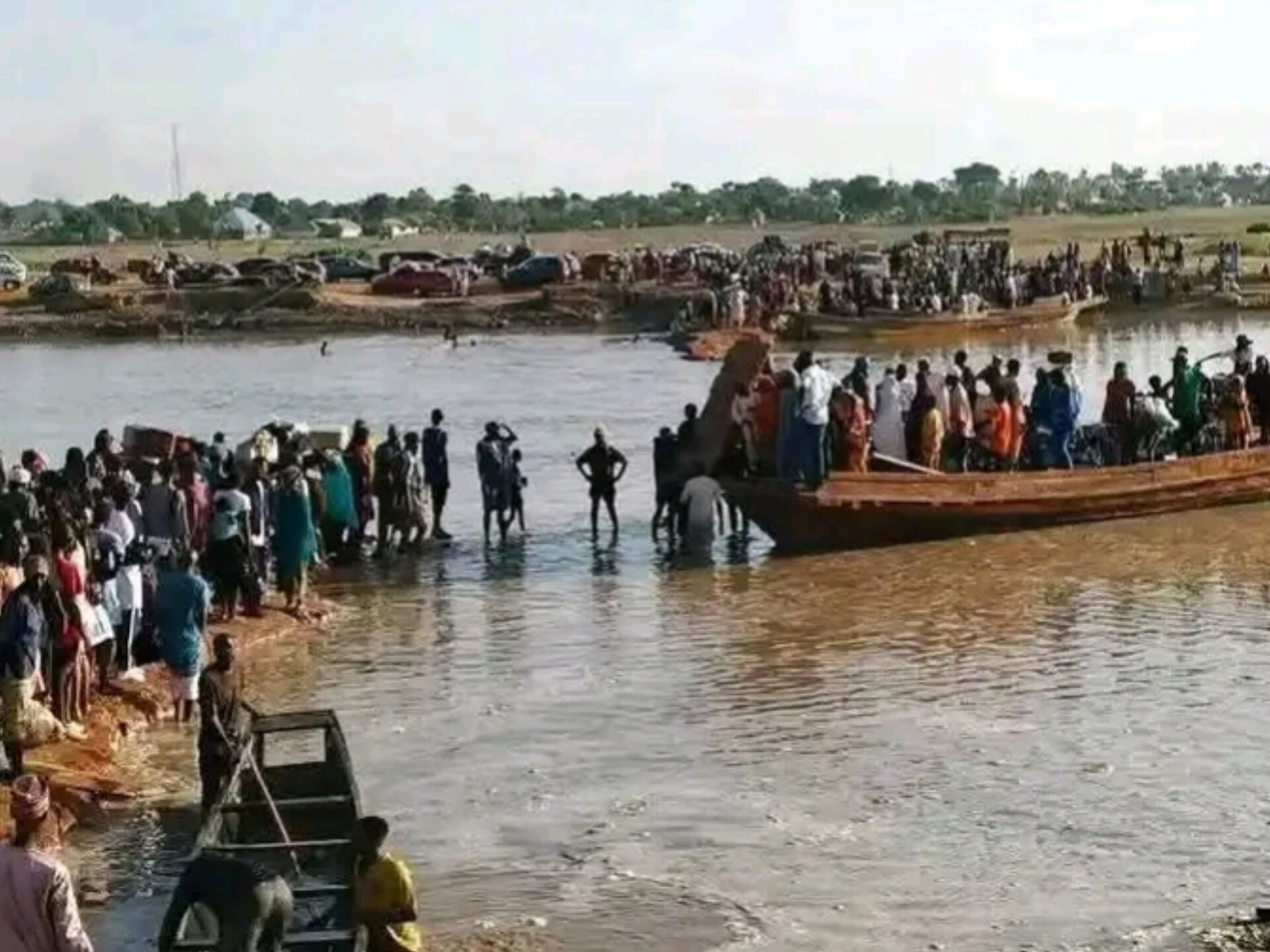
One year after the catastrophic collapse of the Namnai Bridge on the Jalingo–Wukari highway in Taraba State, the Federal Government is coming under increasing fire for failing to restore the vital transportation link.
The bridge, which sits on a crucial Trunk A federal highway connecting Taraba to Benue and Adamawa states, has remained in ruins, severely disrupting movement and economic activity across the region.
The situation has forced thousands of commuters, including traders, students, and farmers, to resort to risky makeshift ferry services to cross the river — endangering lives and goods.
Community leaders and civil society groups have expressed outrage over what they describe as government negligence, pointing to the bridge’s strategic importance to inter-state commerce and national integration.
“This is not just a bridge; it’s a lifeline. Its collapse has crippled our local economy and put our lives at risk daily. The silence from Abuja is unacceptable,” said Musa Ibrahim, a community leader in Wukari.
Despite multiple appeals from local and state authorities, there has been no visible commitment or progress from the federal government toward reconstruction.
Temporary palliative measures initially promised by the Federal Ministry of Works have failed to materialize, further deepening public frustration.
Motorists now face detours spanning several hours, while small traders report skyrocketing transportation costs and dwindling profits.
READ ALSO:
- Suspended Alia Aide, Dr. Donatus Mkor, Remanded in Nasarawa Prison Pending Bail
- Court Rules Suswam Has Case to Answer in N3.1bn Fraud Trial
The agricultural sector has also been hit hard, with farmers unable to transport produce to larger markets in neighboring states.
Residents are now calling on President Bola Tinubu’s administration to urgently intervene and prioritize the reconstruction of the bridge, warning that continued inaction could escalate into a broader regional crisis.
The Namnai Bridge collapse occurred in July 2024 following heavy seasonal rains, and since then, nothing substantial has been done to restore the critical infrastructure — a situation many see as symbolic of broader infrastructural neglect in Nigeria’s northeastern region.
