
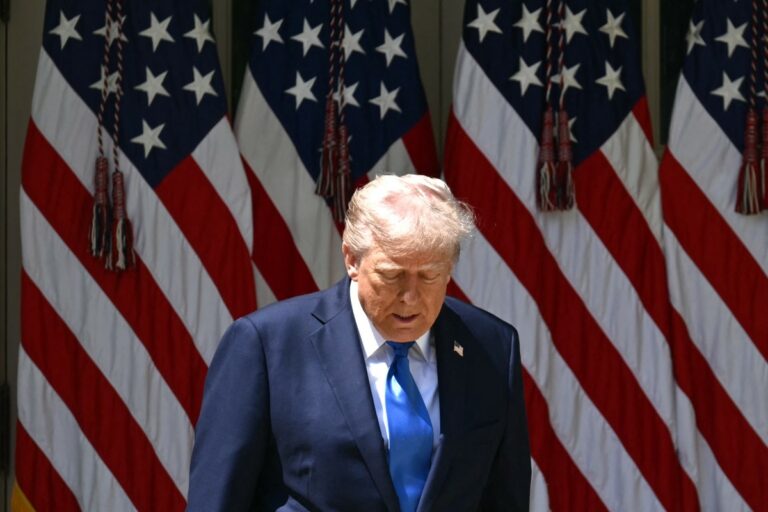
In a significant move toward government transparency, the Trump administration on Monday released more than 230,000 pages of documents related to the 1968 assassination of civil rights icon Dr. Martin Luther King Jr.
The massive declassification, part of a broader initiative covering major 1960s political assassinations, has sparked both praise and concern—particularly from King’s surviving children.
Director of National Intelligence, Tulsi Gabbard, announced the release, stating, “The American people have waited nearly sixty years to see the full scope of the federal government’s investigation into Dr. King’s assassination.
We are ensuring that no stone is left unturned in our mission to deliver complete transparency on this pivotal and tragic event in our nation’s history.”
According to Gabbard, the documents are being published with only “minimal redactions for privacy reasons.”
The declassification follows an executive order signed by then-President Donald Trump shortly after taking office, which mandated the release of government records related to the assassinations of Martin Luther King Jr., President John F. Kennedy, and his brother, Senator Robert F. Kennedy.
The National Archives previously released JFK files in March and those on RFK in April.
Dr. King was gunned down on April 4, 1968, in Memphis, Tennessee. James Earl Ray, who later recanted his confession, was convicted and sentenced to 99 years in prison.
He died in 1998. However, doubts about Ray’s involvement have long persisted, especially among King’s family.
In a joint statement released Monday, King’s two surviving children, Martin Luther King III and Bernice King, voiced mixed feelings about the disclosure.
While supporting transparency and historical accountability, they warned that the files might be used to tarnish their father’s image.
“Our father was the target of an invasive, predatory, and deeply disturbing disinformation and surveillance campaign,” they wrote, referencing a decades-long FBI operation under J. Edgar Hoover designed to “discredit, dismantle and destroy Dr. King’s reputation and the broader American Civil Rights Movement.”
They urged the public and media to treat the newly released files with sensitivity: “We ask those who engage with the release of these files to do so with empathy, restraint, and respect for our family’s continuing grief.”
The MLK release is the latest in a series of declassified documents from one of the darkest chapters in U.S. history.
The 1963 assassination of President John F. Kennedy was attributed to Lee Harvey Oswald, a former Marine, though speculation of a broader conspiracy remains rampant.
Likewise, Senator Robert Kennedy was assassinated in 1968 while campaigning for the Democratic nomination. His killer, Sirhan Sirhan, is still imprisoned in California.
As historians and the public begin combing through the King files, questions remain about how these revelations will reshape the public understanding of his death—and of the federal government’s role in both protecting and undermining civil rights leaders of the era.
