
By Comrade Iorlaha Loho Emmanuel MP, writing from Agera-Mbachambe
According to economic analyst and community advocate, Comrade Iorlaha Loho Emmanuel, Benue State holds vast untapped economic potential that could significantly boost its Internally Generated Revenue (IGR), create jobs, and foster inclusive development.
Despite these opportunities, the state remains among the most underdeveloped in Nigeria, ranking 28th out of 37 states (including the FCT) in the 2022 IGR report published by the National Bureau of Statistics (NBS) in October 2023.
The administration of His Excellency, Rev. Fr. Hyacinth Iormem Alia, has made commendable efforts in projecting the state government on social media platforms by engaging top influencers across Benue.
However, the real economic drivers — the informal sector and local entrepreneurs — have been largely ignored.
This exclusion has created a significant revenue gap and left the true wealth creators without government support or integration.
Currently, there is no coordinated database or policy framework targeting the informal sector.
The Benue State Board of Internal Revenue Services (BIRS) appears to be disconnected from small-scale entrepreneurs, artisans, and local producers — a missed opportunity to expand the state’s tax net and stimulate local industry.
Comrade Emmanuel proposes the formulation of a new policy tagged Benue First Industrial Growth (BFIG). This policy, to be spearheaded by the Benue Investment and Property Company Limited (BIPC), BIRS, and the Bureau of Wealth Creation, would focus on mapping out and registering all informal businesses and local producers across the state.
Key components of the BFIG policy should include:
- Financial inclusion through partnerships with institutions such as the Bank of Industry (BOI), NIRSAL, and CBN intervention programs.
- Access to soft loans, training, and technical support for entrepreneurs.
- Development of local market infrastructure and subsidies for inputs.
- Legal backing from the Benue State House of Assembly to enact a “Buy Made in Benue” law.
- Tax incentives and holidays for local manufacturers and producers.
- Public-Private Partnership (PPP) initiatives to boost mass production capacity.
- Digital marketing platforms and trade fairs to promote Benue-made products and expand market access.
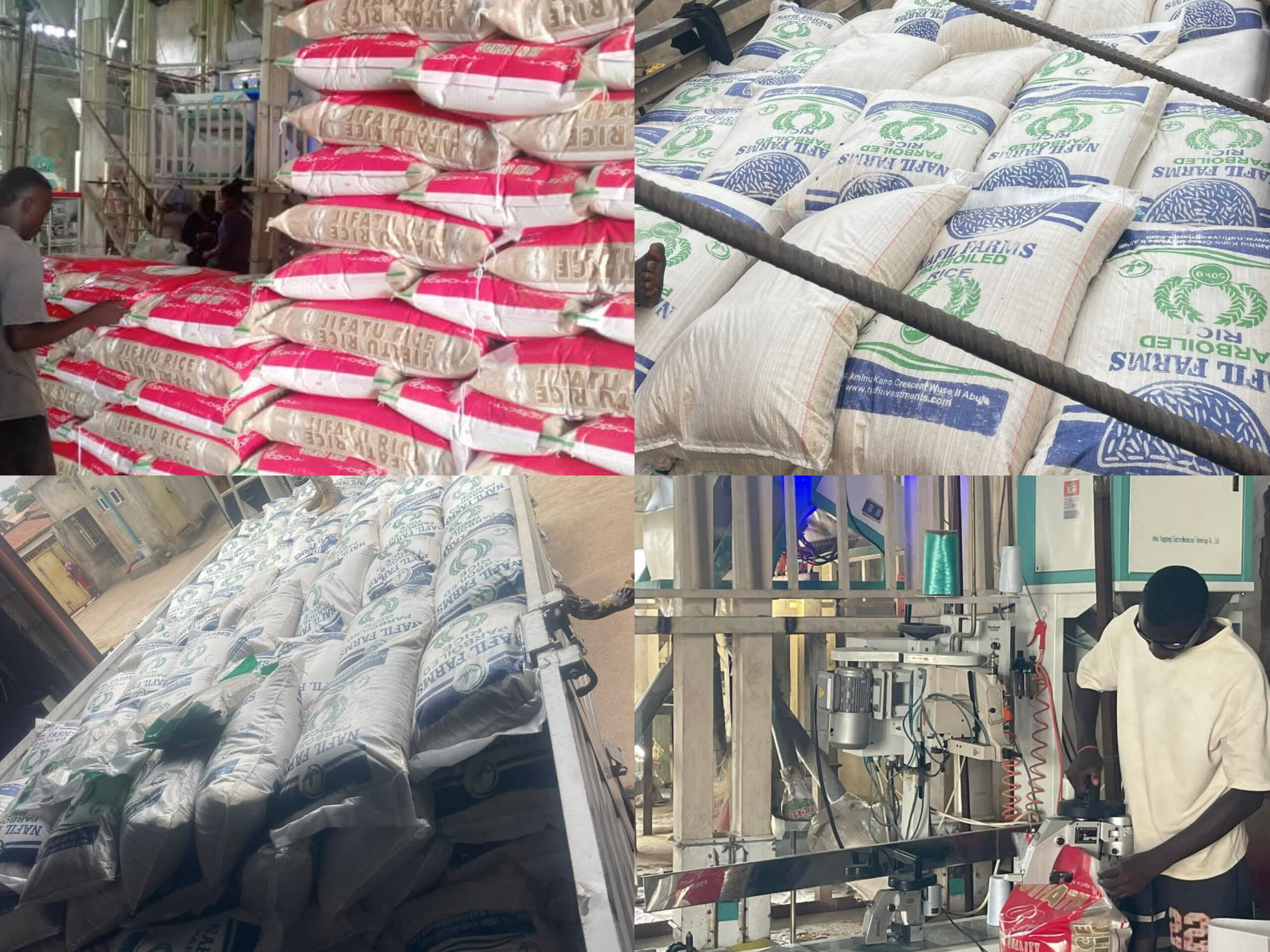
A case in point is Terhemba Eugenia Asue, a seasoned rice producer based in Benue. Her success story demonstrates the capacity of local producers to transform the state’s economy if given the right support.
With proper policy backing and implementation, such as collaboration among BIPC’s Managing Director Raymond Asemakaha Jr., BIRS Chairman, and the 10th Benue State Assembly under the leadership of Rt. Hon. Aondona Dajoh, Benue could witness a new era of economic transformation.
The Road Ahead
If effectively implemented, the Benue First Industrial Growth (BFIG) policy could:
- Increase the state’s revenue base geometrically,
- Reduce unemployment by over 50%,
- Help control food inflation,
- Significantly improve the standard of living,
- Position Benue State as a leading industrial hub in Nigeria.
The time to act is now. The government must shift focus from optics to substance by empowering grassroots entrepreneurs who are the real engines of economic growth.
