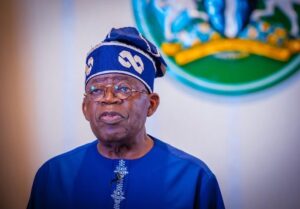
Jonathan’s Silence Fuels Doubts Over 2027 Presidential Ambition
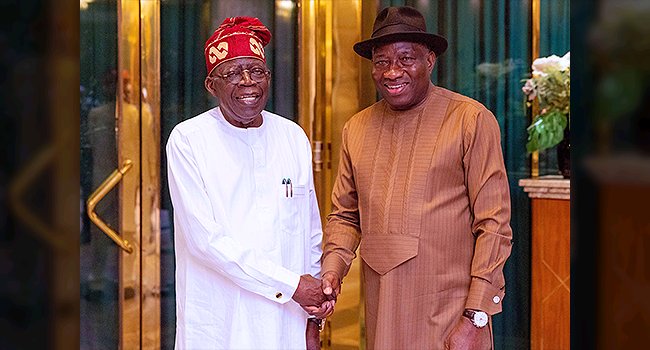
Former President Goodluck Jonathan’s silence over his reported adoption by a faction of the Peoples Democratic Party (PDP) has intensified speculation that he may not be interested in contesting the 2027 presidential election against President Bola Tinubu.
Despite being screened, adopted and ratified as the presidential candidate of a PDP faction led by Tanimu Turaki, Jonathan has neither accepted the nomination nor publicly declared any intention to return to active politics.
His continued silence has sparked debate within political circles, with several of his associates dismissing claims that he is preparing a presidential comeback.
According to reports, close allies of the former president argue that if Jonathan were genuinely interested in seeking the nation’s highest office, he would have begun political consultations, aligned openly with a political platform and actively participated in the processes that led to his nomination.
Sources also noted that Jonathan neither purchased nor submitted nomination forms and was not involved in any screening exercise conducted by the PDP faction.
One associate described the development as part of a familiar pattern in which Jonathan’s name resurfaces during election seasons despite the absence of any formal declaration from him.
The source maintained that the former president has not indicated any desire to contest the 2027 election and has not engaged in activities usually associated with serious presidential aspirants.
The position of Jonathan’s associates comes shortly after a Federal High Court in Abuja reaffirmed his constitutional eligibility to contest the presidency by dismissing a suit seeking to bar him from the 2027 race.
However, while the ruling settled questions surrounding his eligibility, it did little to clarify whether the former president actually intends to run.
Unlike other politicians widely believed to be positioning themselves for the 2027 contest, Jonathan has not launched consultations, built a campaign structure or made any public pronouncement regarding his political future.
His silence has generated mixed interpretations.
Supporters of the Turaki-led PDP faction insist that Jonathan’s reserved approach should not be mistaken for disinterest, arguing that he has traditionally maintained a low-profile political style.
Others believe his reluctance to embrace the nomination publicly reflects a desire to preserve the statesman status he has cultivated since leaving office in 2015.
Since conceding defeat to former President Muhammadu Buhari in 2015, Jonathan has largely stayed away from partisan politics, concentrating on democracy advocacy, election observation and peace-building efforts across Africa.
Analysts warn that a return to frontline politics could reopen debates over issues that shaped his administration, including insecurity, corruption allegations and internal PDP disputes.
The controversy also highlights the lingering divisions within the PDP, as the faction that adopted Jonathan is not recognised by the Independent National Electoral Commission (INEC).
This has raised questions about the significance of the nomination and whether it represents a genuine presidential project or another chapter in the ongoing struggle for control of the opposition party.
Author

About The Author