Chief Yakubu, Urged FCTA to Adopt Outcomes of WUF13 in Baku
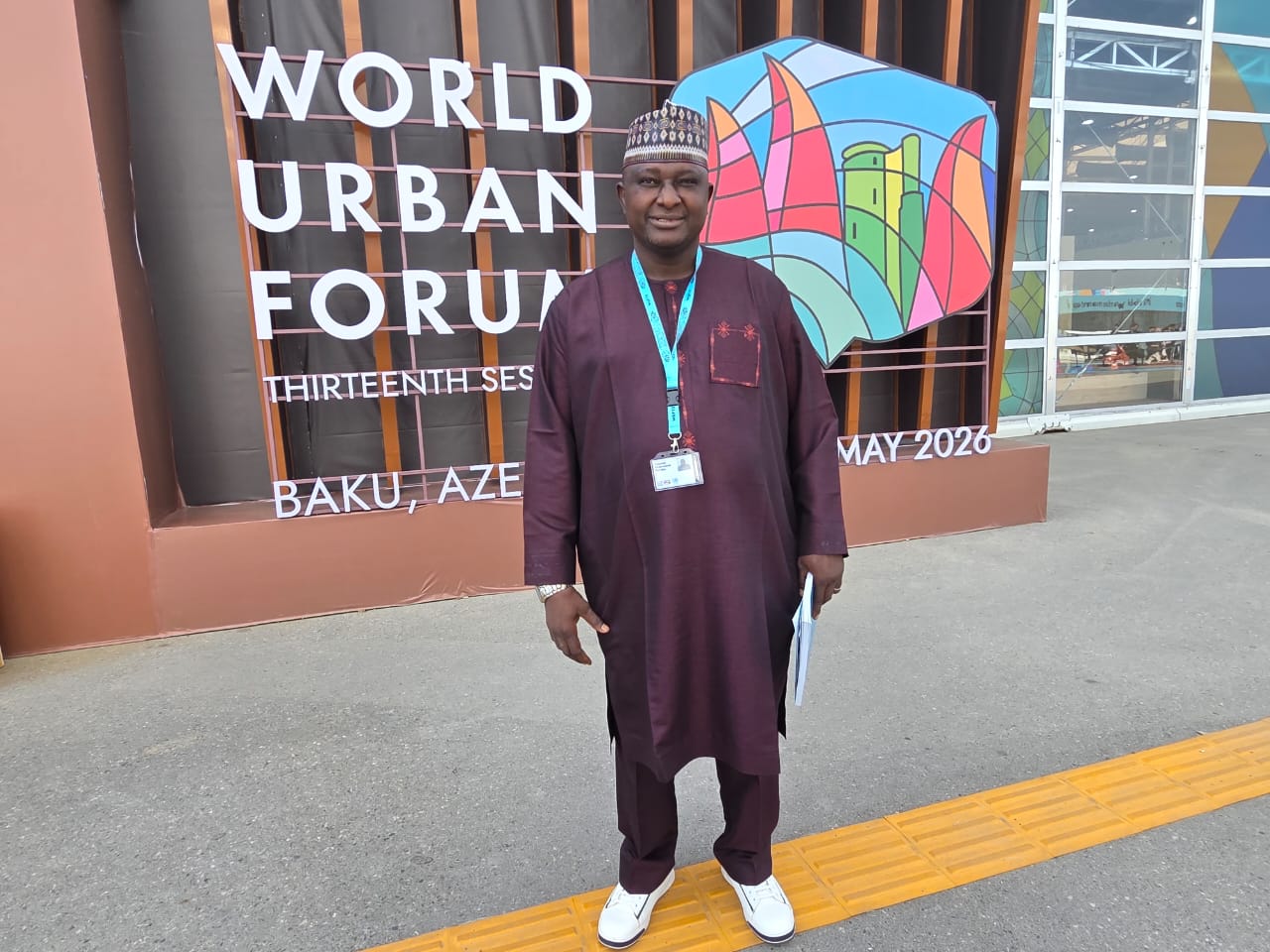
Tpl. Chief Stephen Shekwonce Yakubu, has called the Federal Capital Territory Administration (FCTA) to adopt key outcomes and recommendations from the 13th Session of the World Urban Forum (WUF13) held in Baku, Azerbaijan, from May 17 to 22, 2026.
The conference, organized by UN-Habitat, focused on the theme: “Housing the World: Safe and Resilient Cities and Communities.”
Tpl. Chief Stephen Shekwonce Yakubu, highlighted the growing global housing crisis and the urgent need for inclusive and sustainable urban development.
Stakeholders at the forum noted that nearly three billion people worldwide currently face inadequate housing conditions, while more than 1.1 billion people live in informal settlements and slums.
Participants emphasized the importance of Integrated Urban Planning (IUP), climate adaptation, land security, inclusive governance, and locally driven solutions in addressing housing challenges.
The conference also examined challenges confronting Indigenous Peoples, including forced evictions, land dispossession, discrimination, homelessness, and limited access to adequate housing and basic social services.
Delegates stressed the need for governments to implement policies that protect land rights, promote culturally appropriate housing, and ensure inclusive urban planning that accommodates vulnerable and marginalized communities.
Expected outcomes from the conference include:
Policy recommendations and best practices for governments and urban planners;
Contributions to the Baku Call to Action;
The establishment of a global community of practice aimed at advancing Indigenous housing rights and sustainable urban development.
OIAEPA urged the Federal Government of Nigeria and the FCTA to draw lessons from the conference by:
Strengthening housing policies;
Improving urban resilience;
Addressing informal settlements and land-related issues;
Promoting equitable access to decent housing for all residents.
Participants also highlighted lessons from the city of Baku, particularly in the areas of environmental sanitation, enforcement of urban laws, traffic discipline, green space development and preservation, and documentation of historical sites for tourism promotion.
According to delegates, Baku stands out as a model city where laws are effectively enforced and obeyed by residents and visitors alike, with penalties serving as deterrents against violations.
The city was described as an example of law, order, environmental sustainability, and organized urban governance.
Among the attendees at the forum was Nigerian Institute of Town Planners (NITP) FCT Chapter delegate, Tpl. Chief Stephen Shekwonce Yakubu, who represented Original Inhabitants of Abuja Environmentalist Professionals Association (OIAEPA) during the UN-Habitat sessions at WUF13.
Author

About The Author