“Nigerians Are Tired of Empty Promises” — NUPENG Demands Results From Warri, Port Harcourt Refinery Deal
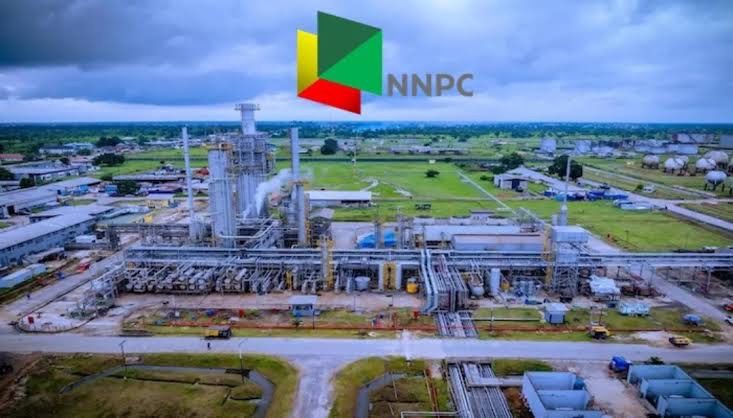
The Nigeria Union of Petroleum and Natural Gas Workers (NUPENG) has urged the Federal Government and the Nigerian National Petroleum Company Limited (NNPCL) to ensure that the newly signed partnership with Chinese companies for the rehabilitation of the Warri and Port Harcourt refineries produces real and measurable results.
The union said Nigerians have endured years of assurances over the revival of the country’s refineries without seeing meaningful progress, stressing that citizens can no longer survive on promises and announcements alone.
Speaking on the development, NUPENG warned that the continued failure of the refineries has placed enormous pressure on the economy, worsened fuel supply challenges, and increased hardship for millions of Nigerians already struggling with rising living costs.
According to the union, the latest agreement with the Chinese firms should not become another “media celebration” that ends without implementation. NUPENG insisted that Nigerians expect the Federal Government and NNPCL to provide clear timelines, transparency, and visible work on the rehabilitation projects.
The union noted that several administrations had previously announced plans to restore the Port Harcourt, Warri, and Kaduna refineries, but many of those efforts failed to deliver the expected results despite billions of naira reportedly spent over the years.
NUPENG maintained that fully functional local refineries would reduce Nigeria’s dependence on imported petroleum products, stabilize fuel supply, create jobs, and strengthen the country’s economy.




The workers’ union also called for proper monitoring of the agreement and accountability from all parties involved to avoid delays, abandoned projects, or misuse of public funds.
The latest partnership between NNPCL and the Chinese firms is expected to focus on technical support, rehabilitation, and operational improvement of the aging refinery facilities as the government seeks to boost local refining capacity and reduce pressure on foreign exchange spent on fuel imports.
Many Nigerians have continued to express frustration over the prolonged shutdown and underperformance of the nation’s refineries, despite repeated government assurances that the facilities would soon return to full operation.
About The Author
